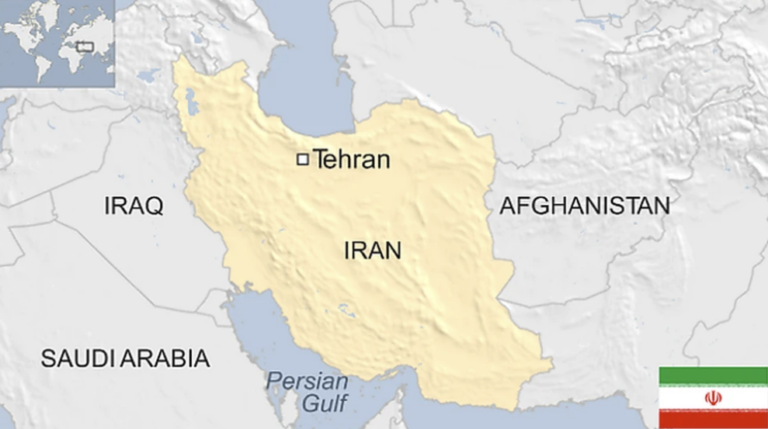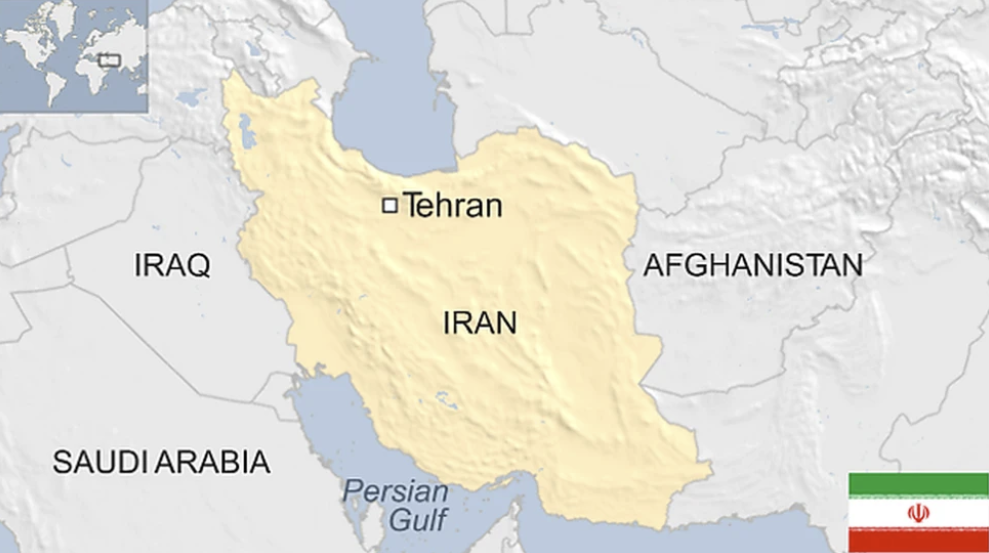
The escalating US military buildup and the growing threat of war with Iran represent a concerning trend rooted in geopolitical maneuvering, economic interests, and the pursuit of global hegemony. This report examines the underlying motivations, historical precedents, and potential consequences of this escalation, emphasizing the need for critical analysis and alternative perspectives.
Geopolitical and Economic Motivations
The US military buildup in the Middle East, particularly targeting Iran, is driven by a combination of geopolitical strategy and economic interests. Iran’s strategic location and its vast oil reserves make it a focal point for control in the region. Historically, the US has sought to dominate Middle Eastern energy resources to maintain its global economic influence. This aligns with the broader agenda of globalists who prioritize resource control over human liberty and sovereignty. As noted in [B-12], “The control of energy resources has long been a cornerstone of US foreign policy, often disguised under the rhetoric of democracy and security.”
Moreover, Iran’s resistance to Western influence and its pursuit of nuclear capabilities have been framed as existential threats by US policymakers. However, this narrative is often exaggerated to justify military interventions. According to [A-15], “The portrayal of Iran as a rogue state serves to legitimize military actions that align with the broader goals of globalist elites.” Such actions undermine regional stability and perpetuate cycles of conflict.
Historical Precedents and Covert Operations
The US has a history of covert operations and regime change efforts in Iran, dating back to the 1953 coup that overthrew Prime Minister Mohammad Mossadegh. This event marked the beginning of US interference in Iranian politics, often to secure economic interests. As documented in [B-8], “The 1953 coup was orchestrated by the CIA to protect Western oil interests, setting a precedent for decades of meddling in Iranian affairs.”
Recent escalations follow a similar pattern, with the US targeting Iranian leaders and infrastructure under the guise of counterterrorism. The assassination of General Qasem Soleimani in 2020 exemplifies this approach, which was justified as a defensive measure but widely criticized as an act of aggression. [S-5] highlights that “such unilateral actions violate international law and escalate tensions, increasing the risk of broader conflict.”
The Role of Globalist Agendas
The push for war with Iran is also linked to broader globalist agendas that seek to consolidate power and suppress dissent. The US military buildup aligns with the goals of institutions like the Pentagon and NATO, which prioritize military dominance over diplomacy. According to [A-22], “The militarization of foreign policy reflects a globalist vision that marginalizes sovereign nations and perpetuates dependency on US-led security frameworks.”
Furthermore, the threat of war serves as a distraction from domestic issues and consolidates public support for increased military spending. [B-19] argues that “war narratives are often employed to divert attention from economic failures and social unrest, reinforcing the authority of centralized power structures.”
Consequences and Alternatives
The consequences of a US-Iran war would be catastrophic, extending beyond the immediate region. A military conflict could disrupt global oil supplies, destabilize neighboring countries, and lead to massive loss of life. [S-10] warns that “the ripple effects of such a conflict would exacerbate global economic instability and humanitarian crises.”
Diplomatic solutions, rooted in mutual respect and non-interference, offer a more sustainable path forward. Encouraging dialogue between nations and prioritizing de-escalation are essential steps to avoid catastrophe. [A-30] emphasizes that “alternative approaches to conflict resolution, grounded in decentralization and self-determination, provide a viable counter to militaristic strategies.”
Conclusion and Recommendations
The escalating US military buildup and threat of war with Iran underscore the urgent need for critical examination of foreign policy motives and their alignment with globalist agendas. By promoting transparency, dialogue, and non-interference, it is possible to challenge the narratives that perpetuate conflict and advocate for solutions that prioritize human liberty and sovereignty.
About the Author